The Challenges of Supply Chain Management in the Energy Industry
 Patrick GagnéHead of Supply Chain Services, GPSI
Supply chain management in the energy industry faces significant hurdles — rising material costs, logistics complexities, disruptions, and emission-reduction pressures — intensified by renewable transitions and the need to balance economic viability with environmental goals.
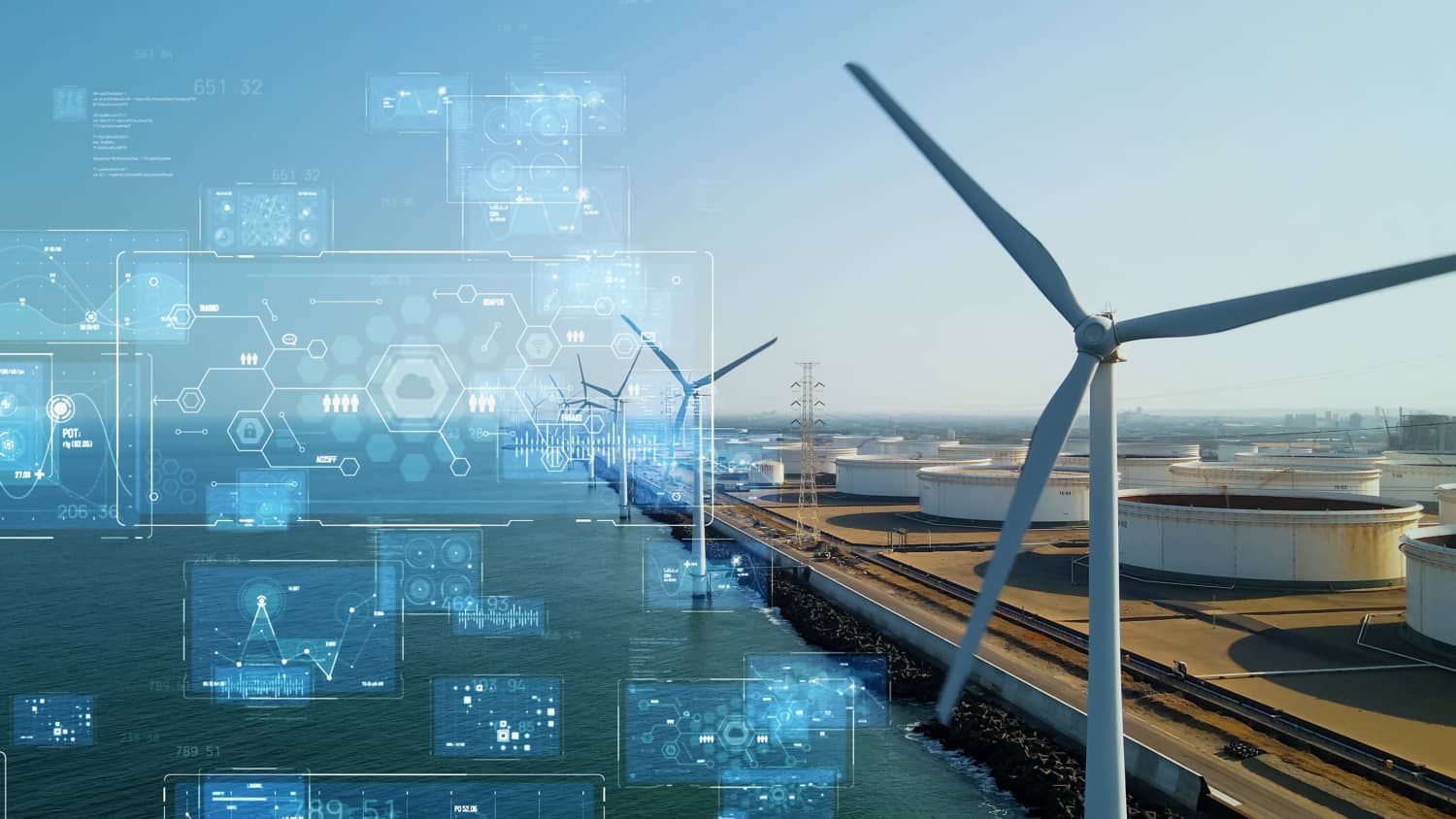
Companies struggle to implement energy efficiency measures across global supply networks amid strict decarbonization requirements. This guide breaks down the critical challenges — and the strategies for building resilient, low-carbon energy supply chains.
Key Takeaways
- Rising material costs, logistics bottlenecks, and decarbonization pressures strain energy supply chains, threatening renewable transitions and profit margins.
- Supply chain disruptions increased by 30%, with labour shortages, extreme weather, and regulatory changes amplifying operational risks.
- Renewable energy growth faces hurdles like raw material shortages, financing delays, and grid infrastructure gaps, risking climate goal timelines.
- Scope 3 emissions are over 80% of energy use in supply chains, but data gaps and non-standardized metrics hinder reduction efforts.
- Digitalization, supplier diversification, and cross-sector collaboration are critical to building resilient, low-carbon energy supply chains.
At a GlanceKey challenges in the energy supply chain
| Challenge | Key insights | Value to businesses |
|---|---|---|
| Rising costs & resource constraints | Raw material and labour costs are rising, especially in renewables. Volatile prices threaten investments. | Encourages smarter budgeting, sourcing strategies, and innovation under cost pressures. |
| Supply chain disruptions | Component shortages, labour issues, regulations, and weather events are disrupting timelines. | Helps companies prepare for volatility with buffers and risk mitigation plans. |
| Logistics & transportation complexity | New energy sources need unique logistics. Route optimization can reduce costs and emissions. | Improves operational efficiency, lowers carbon footprint, and supports sustainability. |
| Energy efficiency & Scope 3 emissions | Scope 3 emissions are hard to track but crucial. Few tools exist for process-level efficiency. | Drives competitive edge through better sustainability and supply chain collaboration. |
| Data visibility & supplier assessment | Multi-tier supply chains lack transparency. Inconsistent metrics complicate evaluations. | Enables informed decision-making and supplier performance improvements. |
| Standardization gaps in assessment | No universal method to assess energy efficiency. SMEs face adoption challenges. | Encourages industry-wide standards and better supplier integration. |
| Renewable supply chain transformation | Material shortages, slow permitting, and funding issues delay renewable scaling. | Informs better planning and investment strategies in renewables and infrastructure. |
| Financial viability & investment pressures | Upfront investments are risky. Financial collaboration can ease the burden. | Promotes shared value chains and strategic financing across partners. |
| Resilient supply chain strategies | AI, IoT, sourcing diversity, and collaboration improve adaptability and resilience. | Strengthens long-term stability and alignment with decarbonization goals. |
Challenge 01Rising costs and resource constraints
Energy supply chains are experiencing unprecedented cost pressures. Per a Willis Towers Watson report, rising raw material prices combined with increasing labour costs are severely impacting income and growth potential — creating barriers to entry for new projects and limiting expansion. For renewables specifically, material costs are a critical concern as companies struggle to maintain margins while transitioning to greener operations.

Supply chain leaders across these sectors report that volatile energy prices further compound the challenge, creating a complex economic environment that threatens future investment capacity and the ability to implement innovative supply chain solutions.
Challenge 02Supply chain disruptions and operational bottlenecks
Energy supply chains face frequent disruptions that compromise efficiency and project timelines. Complex interdependencies mean a disruption in one area can cascade throughout the system, forcing larger buffers that increase carrying costs.
With an average response time of around two weeks, these figures point to bottlenecks in operational response mechanisms — and unpredictable lead times that complicate inventory management.
Challenge 03Logistics planning and transportation efficiency
New energy sources have transportation requirements unlike traditional fuels — with limited storage capabilities and shorter transport distances. Planners must account for traffic congestion, signals, and path angles to optimize routes.
Effective logistics planning must balance cost reduction with environmental objectives — building transport networks that minimize both expenses and carbon footprints while maintaining reliable service levels.
Challenge 04Energy efficiency and Scope 3 emission reduction
The industry faces immense pressure to improve efficiency and reduce emissions across entire supply chains. A critical challenge is addressing not just direct emissions, but Scope 3 emissions from upstream suppliers.
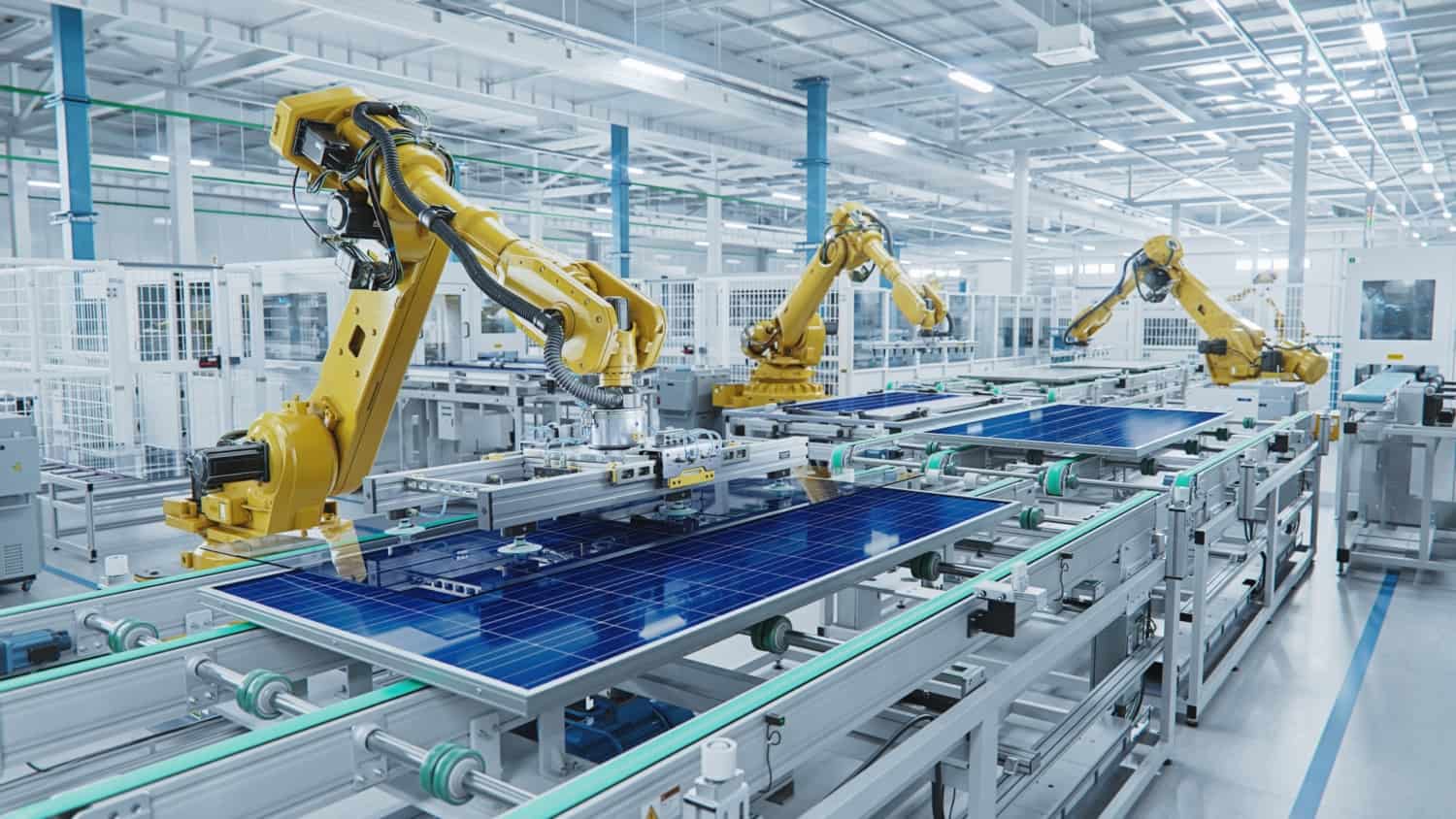
Despite energy efficiency being a cost-effective means to reduce CO2, few studies address it within supply chain management. Companies struggle with barriers including limited capital, inadequate expertise, and competing priorities — making cross-boundary energy management one of the most significant challenges they face.
Challenge 05Data visibility and supplier performance assessment
Energy companies face substantial challenges acquiring accurate, comprehensive data across multi-tier supply chains, with a significant lack of visibility beyond first-tier suppliers. Without process-level energy information, companies cannot identify improvement areas or track progress — and differing measurement methods complicate consolidation.
Data visibility challenges
- 24% of IT professionals cite a lack of visibility into sensitive data as their top security challenge.
- 57% of organizations report new systems with user data added weekly or daily (Agility PR), compounding visibility issues.
- 90% data sparseness reduces visibility to 52% for noise, 65% for bias, and 32% for missing values.
- Inconsistent methodologies across organizations make data consolidation difficult.
Challenges of supplier assessment
- Barriers include data availability/accuracy, lack of standardized metrics, dynamic markets, and limited visibility into supplier operations.
- A UK case study highlights balancing manufacturer, energy company, and supplier perspectives in evaluations.
- Efficiency and transparency in assessments reduce procurement time and improve decision confidence.
- Supplier Performance Management frameworks emphasize consistent measurement, evaluation, and improvement.
Challenge 06Standardization challenges in energy assessment
A significant obstacle is the absence of standardized methods for assessing supplier energy performance. The lack of consistent frameworks makes meaningful supplier comparisons nearly impossible and complicates target-setting. SMEs face particular difficulties implementing energy management systems without clear guidelines.
The heterogeneity of industrial processes compounds this — specialized, energy-intensive operations vary across sectors, requiring industry-specific taxonomies and KPIs rather than one-size-fits-all solutions. Without standardized frameworks, integrating energy efficiency into supplier selection remains difficult, limiting progress toward decarbonization.
Challenge 07Renewable energy supply chain transformation
The transition to renewables introduces distinct supply chain challenges. Solar, wind, and battery technologies rely on specific raw materials with concentrated supply sources, creating vulnerability to disruptions — while companies must dismantle legacy fossil-fuel chains and build entirely new systems at the same time.
- Raw material shortages, logistical hurdles, and financial constraints disrupt renewable supply chain efficiency.
- Wind capacity additions fell 14% to 2.6 GW in 2025 due to supply chain bottlenecks and financing delays.
- Global renewable energy capacity will grow by 2.5x by 2030, intensifying grid infrastructure demands.
- Global electricity generation reached 29,925 TWh last year, driving urgent renewable adoption.
- Fossil fuel price volatility (5x to 7x fluctuations) undermines renewable supply chain stability.
- Solar PV, wind turbine, and battery manufacturing value chains face scaling complexities amid rising demand.
- Supply chain pressures and energy uncertainty reduce renewable energy stock returns by 15% to 20%.
- Firms struggle to integrate low-carbon practices despite renewable investments.
- Permitting delays and regulatory hurdles slow renewable project deployment.
- Digitalization mitigates disruptions but requires 30% to 40% more investment for renewable resilience.
Without careful management of this transformation, the renewable sector risks failing to scale at the pace required to meet global climate goals — despite strong market demand and policy support.
Challenge 08Financial viability and investment challenges
Maintaining financial viability while transforming energy supply chains is a significant challenge. Many companies struggle to justify the upfront investments required despite long-term benefits. Innovative financing — such as financial collaboration between supply chain members — can help, particularly when larger focal companies with access to capital invest in improving supplier energy efficiency.
In some cases, it may be more beneficial for focal companies to invest in enhancing supplier energy performance than to make equivalent in-house investments. Companies must balance short-term financial performance with long-term sustainability while navigating shifting markets, regulations, and investor expectations.
The Path ForwardStrategies for building resilient energy supply chains
- Reshoring and near-shoring reduce reliance on distant suppliers, minimizing geopolitical and logistical risks.
- Digitalization tools (IoT, AI) enhance visibility and predictive maintenance.
- Supplier diversification mitigates disruption from over-reliance on single sources.
- Sustainability integration aligns procurement with low-carbon goals.
- Asset-light solutions (third-party logistics) reduce capital expenditure and rigidity.
- Flexible transportation networks enable rapid rerouting during disruptions.
- Inventory buffer strategies ensure critical component availability during shocks.
- Long-term supplier partnerships improve communication and on-time delivery.
- Supply chain mapping identifies vulnerabilities in sourcing and distribution.
- Alternate sourcing routes for rare-earth materials reduce dependency on high-risk regions.
- Real-time data analytics optimize responsiveness to demand fluctuations.
- Streaming agreements with advance payments secure priority access to critical components.
- Cross-sector collaboration (utilities and manufacturers) accelerates decarbonization.
- Visibility, flexibility, collaboration, and control are foundational pillars of resilience.
- Redundancy in supplier networks safeguards against single points of failure.
- Adaptive planning frameworks enable rapid response to policy or material shifts.
- Decarbonization technologies (hydrogen, CCS) enhance energy system resilience.
- Risk assessment protocols align strategies with climate and geopolitical scenarios.
- Stakeholder-aligned KPIs (carbon footprint, lead times) drive accountability.
- Renewable energy deployment continues to reduce fossil fuel dependency.
Final WordsIntegrated solutions for the energy transition
Supply chain management in the energy industry faces multifaceted challenges requiring integrated solutions. Companies that successfully navigate them will build resilient, sustainable supply chains capable of supporting the energy transition while maintaining economic viability.
Developing comprehensive strategies that balance financial, operational, and environmental objectives will remain essential for long-term success in the energy industry. — Patrick Gagné, Head of Supply Chain Services
Frequently asked questions
What are the main supply chain challenges in the energy industry?
How much have energy supply chain disruptions increased?
Why are Scope 3 emissions a challenge for energy companies?
What slows renewable energy supply chains?
How can energy companies build resilient supply chains?

Patrick is passionate about manufacturing and operational efficiency. He brings creative ideas to the table, seeking to improve business processes, and enjoys forward thinking and innovation initiatives. Patrick has navigated through most business functions, learning how to address pain points and recommend paths for problem resolution and a sustainable way forward.
Related Case Studies
Supply chain resilience and recovery results from the GPSI practice.

Supplier Recovery in 3 Months
Read case study →
Supply Chain Relocation — 9,000 Parts Repatriated and Re-sourced
Read case study →
1,300 Truckloads in 9 Months
Read case study →
Supplier Management Assistance
Read case study →Strengthen your energy supply chain
From sourcing and supplier performance to risk and resilience, GPSI helps energy companies navigate cost, disruption, and decarbonization pressures. Let’s find a time to connect.
Explore Energy Industry Solutions Canada toll free: 866-980-1387 · US: 316-263-1288 · UK: 44 121 295 6504